We know the weather is particularly warm at the moment, and people are tempted to go for a swim, but we cannot emphasise enough that if they get into difficulty, people are not only putting their own lives at risk, but also the lives of those who may try to help.
The sun is out, it’s hot and the water looks ever so tempting.
However, swimming in reservoirs and open water can be deadly.
From cold water shock to strong currents, there are many hidden dangers.
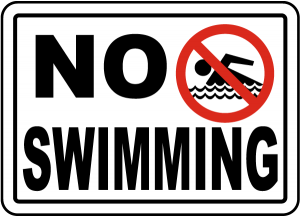
Many open water areas are signposted NO SWIMMING and this is for a reason – please do not ignore these notices.
Do not jump into the water from heights, the depth of the water changes and will be particularly low during periods of warm and dry weather, as we are currently experiencing.
The depth of water can be difficult to judge and may contain hidden rubbish and debris which can cause injuries and drowning. Sometimes it can be polluted and make you very ill.
Advice issued by the Royal Life Saving Society
Don’t:
- Swim at unsupervised (un-lifeguarded sites) including lakes, quarries reservoirs and rivers
- Jump into the water until you have acclimatised to the water temperature
- Jump into the water from heights or ‘tombstone’
- Swim into deep water which will be colder
Do:
- Swim at supervised (lifeguarded) sites ONLY
- Swim parallel with the shore, where you can quickly get to safety
- Swim with friends or family, so that you can help each other if you need to
- Look for signs and advice about the specific dangers at the place where you are swimming
- Think about what you will do if something goes wrong
- Contact a reputable outdoor pursuits or coasteering centre if you want to take part in more extreme activities
Weil’s disease
Leptospirosis, also called Weil’s disease, is an infection you can catch from animals, according to the NHS website.
It is spread in the urine of infected animals and humans can catch it if soil or freshwater (such as from a river, canal or lake) containing infected urine gets in your mouth, eyes or a cut.
The symptoms of leptospirosis are a very high temperature, or feeling hot and shivery, a headache, feeling and/or being sick, aching muscles and joints, red eyes and loss of appetite.
If you experience any of these symptoms after swimming, do seek medical advice immediately.